


StudyFetch: AI Tutor
4.6180.00 Reviews
App Specs
- Version
- 301.8.350
- Updated On
- License
- Free
- Downloads
- 500,000+
- Developer
- StudyFetch, LLC.
- Categories
- Education
- Platform
- Android
Screenshots

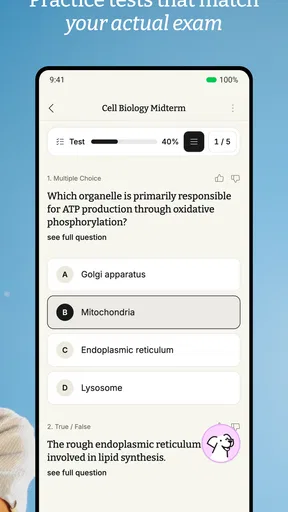
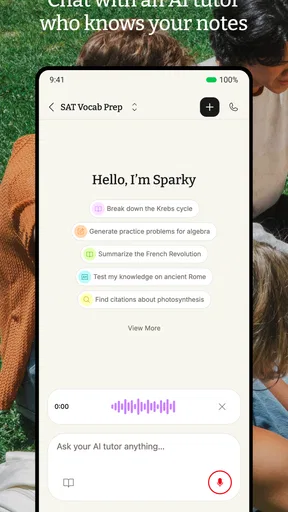

 Analysis by AppCompare
For me, Study Fetch is most appealing when studying feels less like a lack of effort and more like a pile of materials with no clear route through them. It aims to bring study resources and routines together, which can be genuinely helpful if you move between notes, flashcards, and shared work. The trade-off is that an all-in-one study space can feel busy, and it works best when you take time to decide how you want to organize it rather than expecting the app to do all the planning for you.
Where a single study space earns its place
Study Fetch is an education app from StudyFetch, LLC. Its name suggests a broad learning tool, but the practical appeal is more down to earth: keep course material together, make it easier to revisit, and give study sessions a bit more structure. It is free to start, with in-app purchases ranging from $7.49 to $169.99 per item, so I would treat it as something to try before deciding whether paid options are worth it for your routine.
The app has a 4.7 average from around 33,000 ratings, and more than 500,000 installs. Those figures make it a widely tried option, but they are not a substitute for checking whether its workflow suits your classes. Its content rating is Everyone, and its listed minimum operating-system requirement is 7.0. It was released on December 14, 2024, and version 301.8.146 is the current version. I’d still check that your device’s software is compatible before installing.
A useful way to judge any study app is to ask what you want it to replace. Study Fetch makes most sense as a home for learning materials and study habits, not as a replacement for the course itself, a teacher’s instructions, or careful note-taking. If your main problem is forgetting to review, reminders and flashcards may help. If the real issue is that you do not understand a topic, organizing more material will not by itself explain it.
Getting Started: First Impressions
Installing Study Fetch was a breeze. Available on both Android and iOS, you can grab it from your respective app store and get started in a jiffy. Once installed, the clean and intuitive interface greets you. It’s like stepping into a well-organized library, with everything neatly placed and easy to find.
The app kicks off with a quick tutorial, guiding you through its main features. This is super helpful, especially if you’re not tech-savvy. It makes the learning curve almost non-existent, so you can dive right into organizing your study materials.
Features That Make It Shine
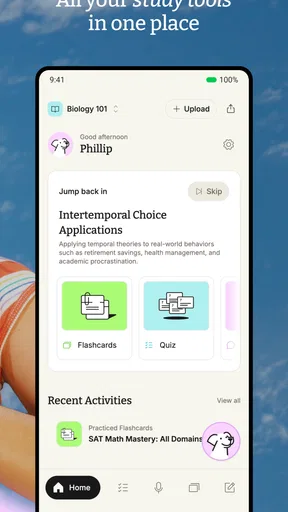
Alright, let’s talk features. What really sets Study Fetch apart is its smart organization capabilities. You can create different folders for each subject, and within those, you can add notes, flashcards, and even audio clips. It’s like having your own personal assistant who knows exactly where everything is.
Worth Reading Before You Choose

EA SPORTS FC Mobile 26 Is a Bigger Football Game, but It Takes Time

Flipboard Shows What News Apps Must Do Beyond the Feed

Switching to Android Auto Means Rethinking Your Driving Routine

Google Calendar Makes a Crowded Week Easier to Manage

Ludo King Makes the Most of the Minutes Between Plans

Baby Panda World Brings Quick Play to Modern Phones, but Its Game Library Feels Busy
The app also includes a collaborative feature. You can share your study materials with friends or classmates, and even work on group projects together within the app. This is a game changer for anyone working in study groups, as it centralizes all your resources.
Another cool feature is the customizable reminders. You can set reminders for your study sessions, ensuring you never miss a beat. It’s like having your own study coach who nudges you to hit the books at just the right time.
How It Stands Out
One of the things I appreciate most about Study Fetch is its integration with various platforms. You can sync it with Google Drive, Dropbox, and even Evernote. This means your study materials are always up-to-date, no matter where you access them from.
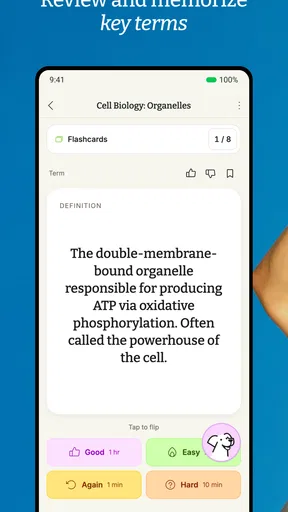
The flashcard feature deserves a special mention. It uses a spaced repetition system, which is a well-researched technique to improve memory retention. You can create your own flashcards or import them from a library of pre-made cards. It’s a lifesaver during exam season.
Room for Improvement
No app is perfect, and Study Fetch is no exception. While the app is packed with features, it can sometimes feel a bit overwhelming. A little more customization in terms of theme and layout could make the experience even more personalized.
Also, while the app is free, some advanced features require a subscription. It’s reasonable, but if you’re a student on a tight budget, it’s something to keep in mind.
Putting the tools into a real routine
Here’s the sort of everyday use that makes the combination worthwhile: after a lecture, I’d put that class’s notes and related audio in its subject folder, then make a small set of cards from the terms or ideas I know I’ll need to recall. Later, a reminder can prompt a short review rather than leaving the material untouched until the night before an exam. The important choice is to keep each card focused on one question or idea; a card that tries to summarize an entire chapter is easy to flip through but poor at showing what you actually remember.
For group work, I’d agree with classmates on a simple naming pattern before sharing anything. A folder labeled with the course and topic is easier to navigate than several files with vague titles, especially when everyone is adding material. Shared resources can help a group stay aligned, but they do not guarantee that the notes are accurate or that each person has understood them. I would keep course instructions as the authority and use the shared space to coordinate, not to settle disagreements about what an assignment requires.
Choosing it over separate tools
Compared with the usual mix of a notes app, a flashcard app, and calendar reminders, the draw here is having those study activities closer together. That can reduce the small bits of friction that make people abandon a review plan: searching through different apps, losing track of which cards belong to which class, or forgetting why a reminder was set. The advantage is convenience, not a guarantee of better learning.
Separate tools may still be the better choice if you already have a reliable notes workflow or need a specialized feature that Study Fetch does not provide. A plain notebook can be better for someone who learns by writing freely and dislikes organizing every resource. A dedicated flashcard tool can suit a student whose only goal is intensive recall practice. I would not move an established system just for the sake of having one app; the switch is worthwhile only if the combined workflow solves a real problem.
Who is likely to benefit most
I’d recommend trying it if you handle several subjects, regularly create your own revision materials, or want a shared place for a study group’s notes and resources. It may be especially useful when your course materials arrive in different formats and you need a repeatable routine for collecting them. Students who prefer to plan their own study sessions can use reminders as prompts, while still deciding what to review and for how long.
It is less suited to someone who wants a distraction-free page for writing, has no interest in flashcards or organizing resources, or expects the app to teach every subject without active effort. It also may not be the best fit for someone who is uncomfortable with in-app purchases or does not want to spend time setting up folders. The free starting point makes a trial approachable, but I would check which tools are included before building a routine around a paid feature.
Practical questions before settling in
Do you need to pay to begin? No: the app is free to start, though in-app purchases are available. If you are considering one, I would first identify the exact feature you need and see whether it changes your day-to-day study routine enough to justify the expense. The range runs from $7.49 to $169.99 per item, so it is worth checking the purchase details rather than assuming every option is a small recurring charge.
Can it take the place of your existing notes or cloud storage? I would use its organization and listed integrations to bring study resources into a more convenient workflow, but I would not make it the only copy of important coursework without checking how your chosen setup behaves. When a document matters for a deadline, keeping your own sensible backup is still good practice. And if you are studying with others, confirm that everyone can access the materials they need instead of assuming that sharing automatically solves group coordination.
Will flashcards help with every subject? They are a strong match for vocabulary, definitions, formulas, dates, and short explanations that benefit from repeated recall. They are less effective as the only method for subjects that require long proofs, extended writing, design judgment, or solving unfamiliar problems. I would pair cards with worked examples or practice questions in those cases. The tool can help you revisit knowledge; you still need to test whether you can apply it.
Wrapping It Up
So, is Study Fetch worth your time? Absolutely. It’s a robust tool for anyone looking to streamline their study process and keep everything organized in one place. Whether you’re a high school student, a college-goer, or even a lifelong learner, this app has something to offer.
With its smart features, collaborative capabilities, and seamless integration, it’s an app that truly understands the needs of today’s students. So, give it a try, and who knows? You might just find that studying isn’t as daunting as it used to be.
My final view is positive, with a clear condition: use it as a practical organizer and review aid, not as a substitute for attention, good course notes, or practice. Start with one subject, build a modest set of materials, and see whether the folders, shared resources, reminders, and cards make your next study session easier to begin. If they do, expand gradually; if setup becomes another chore, a simpler tool may serve you better. That makes it a sensible option for students who want structure, while leaving room for a more focused alternative when their needs are narrower.
Pros
- User-friendly interface makes navigation easy.
- Extensive library of study resources available.
- Offline access to materials for convenience.
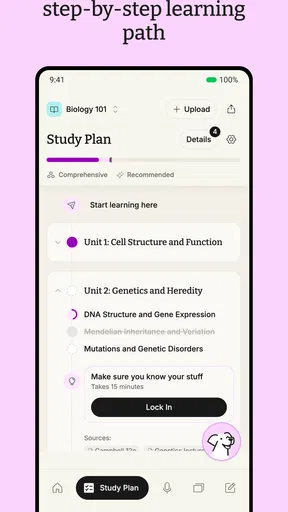
- Customizable study plans for personalized learning.
- Regular updates with new content and features.
Cons
- Limited free content; premium version needed.
- Some features require strong internet connection.
- Occasional in-app ads can be distracting.
- Not all subjects have equal resource availability.
- Customer support response can be slow.
FAQs for StudyFetch: AI Tutor
What is Study Fetch and how does it work?
Study Fetch is an educational app designed to streamline and enhance the learning experience for students of all ages. It offers a range of features such as interactive lessons, quizzes, flashcards, and progress tracking. The app provides personalized study plans based on users’ learning pace and preferences, making it an excellent tool for both self-study and classroom support.
Is Study Fetch suitable for all age groups?
Yes, Study Fetch is designed to cater to a wide range of age groups and educational levels. The app includes content for young learners, high school students, and even college-level material. Its adaptive learning technology ensures that the material presented is appropriate to the user’s current knowledge level and learning goals.
Does Study Fetch require an internet connection to function?
Study Fetch offers both online and offline capabilities. While a stable internet connection is needed to access certain features, like downloading new content and syncing progress across devices, many resources and activities can be accessed offline. This makes it convenient for users to study anytime and anywhere, without being tied to a Wi-Fi connection.
Are there any subscription fees for using Study Fetch?
Study Fetch offers a free version with basic features and content. However, to access premium content, advanced features, and ad-free experience, users can opt for a subscription. The subscription fees vary based on the plan chosen, such as monthly or yearly options, and offer additional benefits and resources tailored for more in-depth learning.
How does Study Fetch handle user data and privacy?
Study Fetch takes user privacy seriously and complies with all relevant data protection regulations. The app collects minimal data necessary for providing personalized learning experiences and ensuring app functionality. Users have control over their data, and all personal information is encrypted and securely stored. The app’s privacy policy provides detailed information on data collection and usage.


